

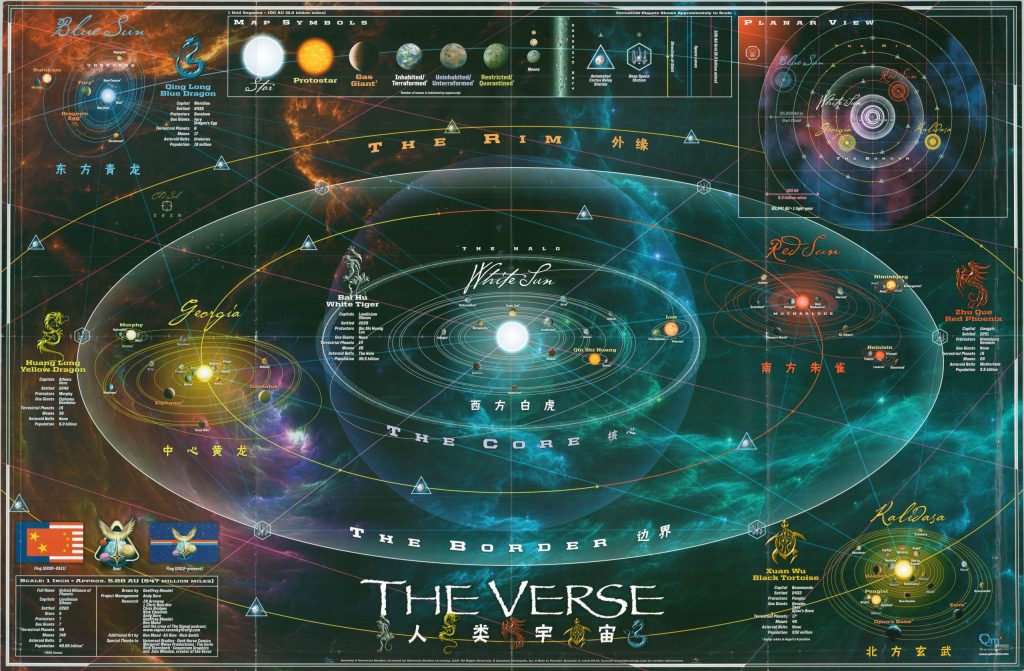



Earth-That-Was couldn’t handle the growing population and resource needs of humankind. Amazingly enough, instead of wiping each other out, the human race rose to the challenge of finding a new home for the species. A nearby star was located, home to dozens of planets and hundreds of moons, almost all of which had enough mass and solidity to be template for new earths. Through giant atmosphere processing planets, each planet became its own little (or in some cases, huge) Earth. Every person willing and able to leave Earth migrated to the new system. An entire generation never saw the outside of a spaceship, the journey took so long. But the planets were ready for habitation (despite the odd quirk of nature or miscalculation on a few) and civilisation as we knew it began to rebuild. The work started on the two largest, most central planets, SIHNON and LONDINIUM.
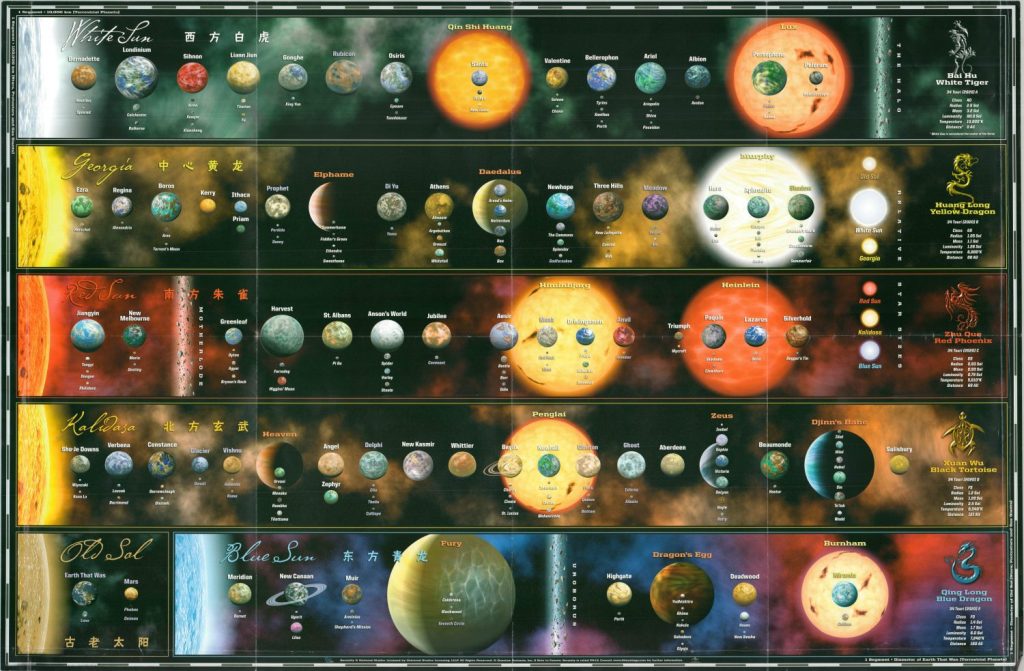
On Earth-That-Was, the two ruling powers were once known as America and China. Though their empires remained separate, the two powers worked together throughout the colonisation process, their cultures – as so many had – melding at many levels. Londinium, called so after the Roman name for England’s capital (a country long before annexed by America in a somewhat ironic reversal), represented what was once the America Empire. Sihnon (“SEE-non”), bastardisation of Sino, our word for ‘Chinese’ was the new China, basically. These two powers, still working in harmony, grew at once into the most popular and advanced civilisation in the new galaxy.
‘Advanced’ meant just that: these were enlightened cultures, with respect for all non-aggressive religious beliefs (though the man religion on both planets was Buddhism), Literacy levels were at 94%. Average lifespan was 120. Public Service was not law – it was simply an ingrained part of the people’s ethos. And pot was totally legal (though I probably shouldn’t stress that). (In fact, forget I said it.) The point is, certain social mores had evolved (whether forwards or backwards is a matter of opinion) beyond our modern conceptions. As for example, sex. Prostitution as we understand it had long since been abolished by the legalisation and strict federal regulation of the sex trade. “Companion” houses were set up throughout the central planets. No house could ever be run by a man. No Companion could ever be coerced into accepting a client. Companions trained in all the arts, extremely well schooled. They lived not unlike Nuns, worked not unlike Geisha’s, and often rose to political or social prominence once they retired.
Such was life on the central planets: among them Sihnon, Londinium and Osiris, (where Simon and River Tam grew up). On the outer planets, things were a mite different.
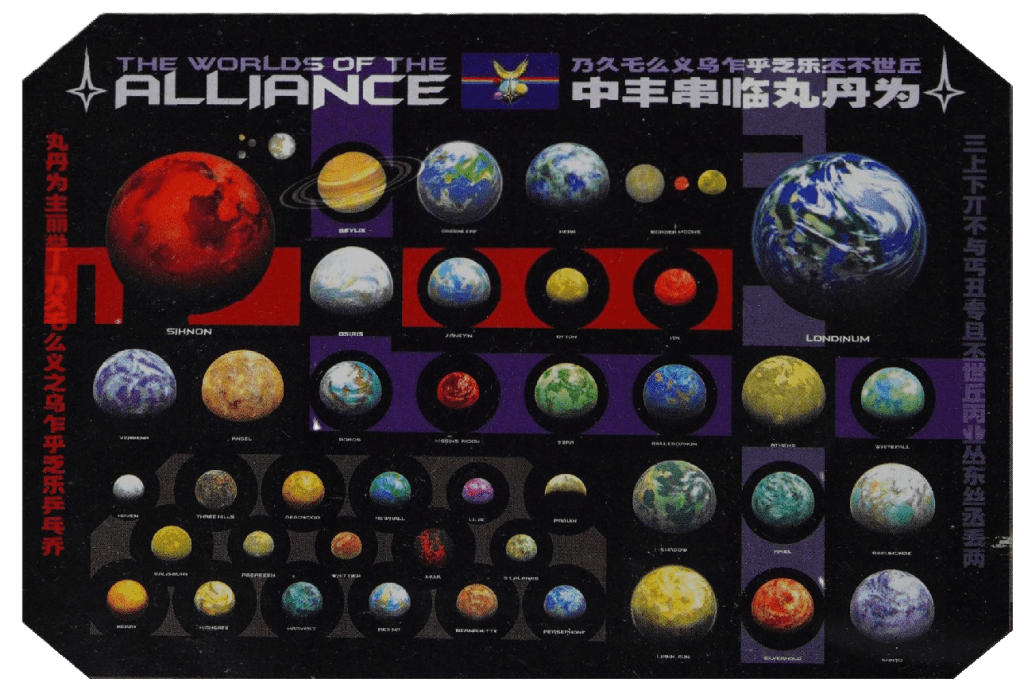
The thing is, we had enough worlds to go around, but not enough resources. And people didn’t exactly stop making babies. The outer planets, the worlds and moons that hadn’t been chosen to house the new civilisation – they were the destination for the poorer, more extreme, the pioneers. They travelled out to the nearest planet someone hadn’t claimed yet and started turning their rockets into roofs. Building off whatever the land had been shaped to provide them with. Some of these people were brought near to savagery by the conditions they encountered, Some were just hard-working, independent folk who didn’t want their lives mapped out for them before they’d lived them. Didn’t want convenience. Some were orthodox in their beliefs to the point where they were not comfortable among non-believers, and wanted whole worlds where they would not be slowly homogenised into society. And some had reason to avoid the law.
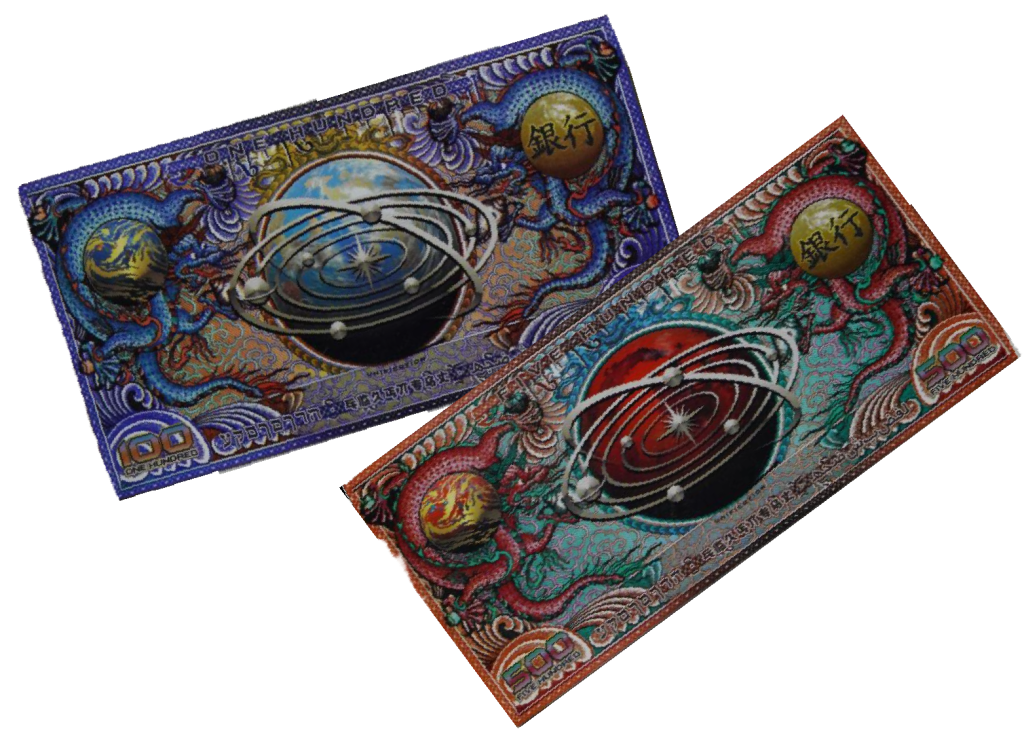
There were troubles. There were famines, there were wars – the human race didn’t get better or smarter just ’cause they had made scientific leaps. Things were definitely more peaceful among the Central Planets, but that peace was bought at a price. Nothing resembling totalitarianism, but a certain regulation of existence that would not sit well with some. And even among these planets, conflicts over resources, trade, and political influence strained the civil relations of sister nations. In an effort to unite and quell this conflict, the Central Planets formed the ALLIANCE, a governing structure that unified them all under one governing body, the PARLIAMENT. The few members represented each planet, and worked in genuine harmony to fulfil each planet’s various needs, economically and politically. In harmony, and very often, in secrecy.
For we are nothing more than humans, however high we reach. The Parliament ruled over people with fairness and intelligence, but also with a strong army and a wary eye toward any insurrection. The MILITARY COUNCIL worked under the Parliament to deliver swift, effective control of any real unrest among them or their neighbours. And even beyond the knowledge of the Military Council were other bodies, secret bodies… human experimentation. Spies. Assassins. Schemes, secret up to the highest level, to get people to behave. To improve.
The real trouble started when the Alliance started to look beyond its borders to the world around them. Partially out of a desire to see life improved there (and it WAS often unnecessarily barbaric), to bring all the planets into the fold of enlightenment, and partially out of a simple imperialistic wish for control and need for resources off-limits to them, the Parliament – and the Allied planets as a whole – decided that EVERY planet would become part of their program. Should be an Alliance planet, whether they wanted to or not.
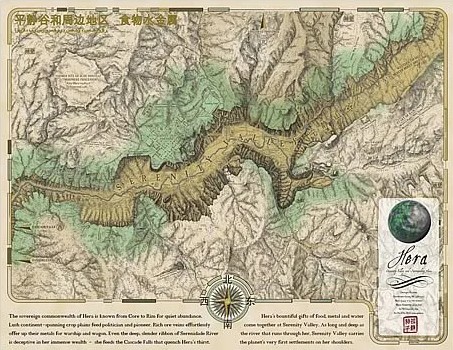
The War for Unification was the most devastating in human history. Outer planets such as Hera (where the battle of Serenity was fought), Persephone, and Shadow mustered forces – more than half volunteers – to stop what they felt to be nothing more than imperialist hegemony. For almost five years the war tore into the planets between the central ones and the rim worlds (fighting never reached such pissant moons as Whitefall or Beaumonde, nor did it touch Sihnon and Londinium, except in the odd protest or terrorist act). The forces of the Alliance had the technology and the weapons to overcome almost any force. But they never expected the kind of resistance the other planets could provide. They did not expect so many men and women to still consider freedom worth dying for.
Malcolm Reynolds was on Shadow, living on a cattle ranch his mother ran, when he joined up. He was a smart kid but green. He joined out of belief and nothing more. Five years gone found his homeworld destroyed, his army beaten down and every shred of belief ripped out of him. He had made Sergeant by then, of the 57th Overlanders. Would have gone higher if he had ever kept a single opinion to himself. But he wasn’t in the war to get a title. He was there to fight, and in the Battle of Serenity, waged for seven gruelling weeks on Hera, he fought like nobody else. Some say the valley was the bridge between the worlds, and that when it fell the Independents fell with it. Surely Mal believed it, for he and his held the valley for a good two weeks AFTER the Independent High Command had already surrendered.
When it was all done, there was some talk of holding the ‘Browncoats’ such as Mal who had held Serenity Valley as war criminals, since the war had officially ended. They were held in camps for a short time, but the Alliance considered it an important gesture to free them. The strain of criminality never left those few thousand – but in some quieter circles, the legend of their tenacity made them heroes.
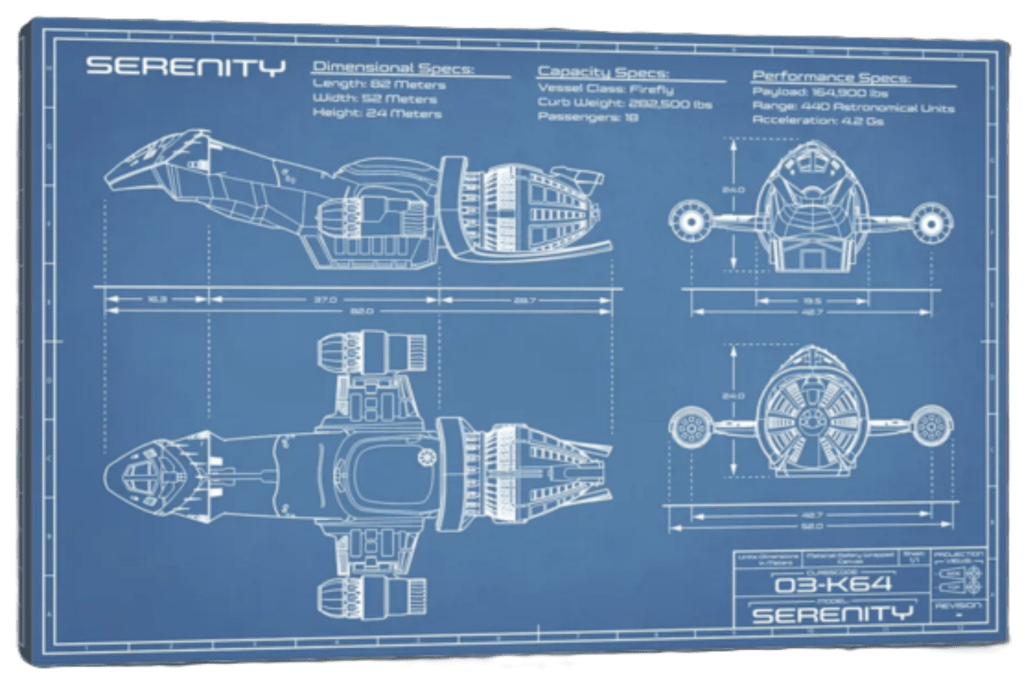
Among those few thousand was Corporal Zoe Alleyne, also of the 57th Overlanders. She had been career Army, the opposite of Mal, but she had fought under him for the last two and a half years of the war, in more than a dozen campaigns. She also had the distinction of being the only other member of the 57th to survive Serenity. When Mal decided to get himself a little transport ship and head out to the rim worlds, to work the planets the Alliance would not truly be able to control, to settle down never and draw breath free… it never occurred to her not to follow him. It also never occurred to her that they would hire a pilot as annoyed as Hoban Washburne, or that she would fall so completely in love with him, they were married not a year after they met, an occurrence that Mal considered ill-advised and slightly weird.
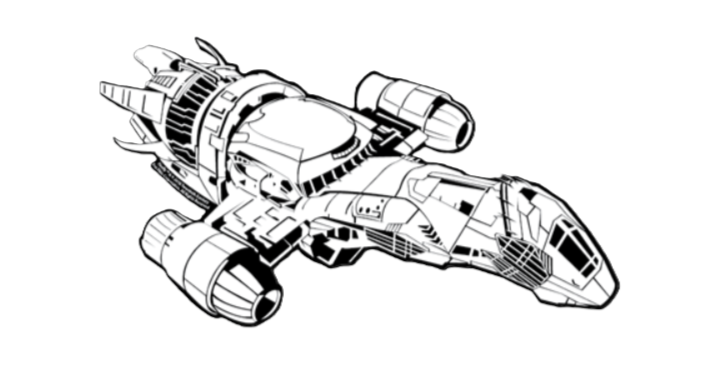
Wash turned out to be an extraordinary pilot, and they happened (it’s a funny story) on a little prodigy of a mechanic Kaywinnit Lee Frye, known as Kaylee. As sweet and cheerful as she was mechanical, she found the opportunity to be chief engineer (a title she used only to herself) on a Firefly-class ship to be beyond her best imaginings. Most folks wouldn’t look twice at a Firefly – it had since been replaced by sleek, more efficient models, but she knew, as Mal did, that a Firefly could hold up where others would buckle… that she could get in and out of places other ships couldn’t, and quickly too… that she was just right for the kind of jobs nobody was supposed to be doing any more.
‘Cause a lot of the work to be found on border planets was a crime, and that was no problem for Mal. He expected it, and he prepared for it. He found himself a great lug of a mercenary in Jayne Cobb: mean, untrustworthy, and indispensable. On the flip side, they actually landed a passenger who could lead them respectability. A first rate Companion, Inara Serra, who had left House Madrassa on Sihnon to work independently. She never did say why,
Then one day they took on a Shepherd named Book and a Doctor from Osiris named Simon Tam, who had his sister River hidden in a cryogenic box for some damn reason. And that is, of course, another story…
Copyright: Titan Books


