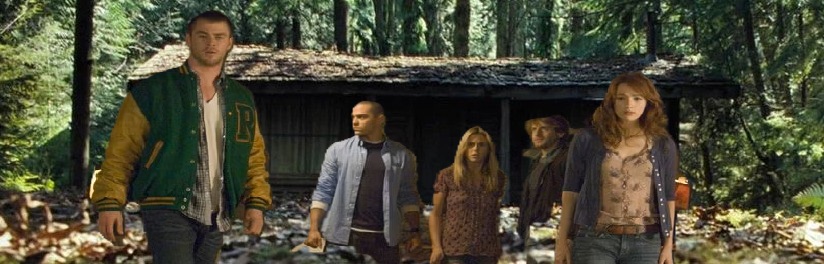
“We work with what we have.”
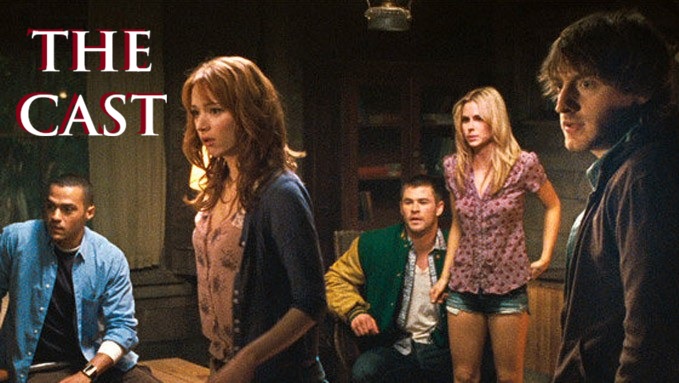
Cabin in the Woods begins the way all good lies do — with something familiar, something comforting, something that pretends it’s only here to entertain you. Five students, a borrowed camper van, a weekend away from the world. It’s the oldest shape in the horror lexicon, worn smooth by decades of repetition, and the film leans into that shape with a kind of conspiratorial wink, as if it knows you’ve seen this story before and is content to let you believe you know where it’s going. But beneath the surface — beneath the jokes, the banter, the easy camaraderie — there’s a hum, a pressure, a sense that the world is being nudged into place by hands you can’t see.
Because this isn’t a story about a cabin, or a weekend, or even the five young people walking willingly into the jaws of something ancient. It’s a story about the machinery behind the story — the watchers in their underground hive, the rituals they maintain, the quiet terror of a world that has learned to appease its gods through bureaucracy and blood. The film plays with that tension beautifully: the bright, careless energy of youth above ground, and the cold, fluorescent inevitability below, each half unaware of how tightly they are bound together.
And as the pieces begin to shift — as choices are guided, as archetypes are enforced, as the old patterns reassert themselves — the film reveals its true shape. Not a parody, not a pastiche, but a myth wearing a modern face. A tale about the cost of survival, the weight of tradition, and the terrible simplicity of a world that would rather sacrifice its children than face the darkness it once buried.
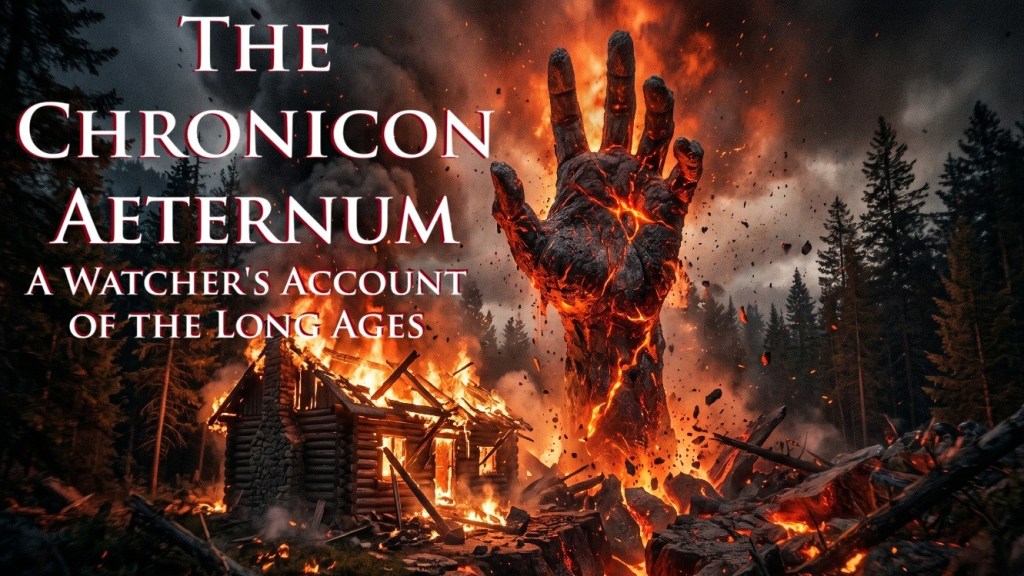
By the time the truth rises — literally, catastrophically — the story has shed its playful skin and become something older, stranger, and far more honest. A reckoning disguised as a horror film. A ritual disguised as entertainment. A reminder that the monsters we fear are nothing compared to the systems built to contain them.