


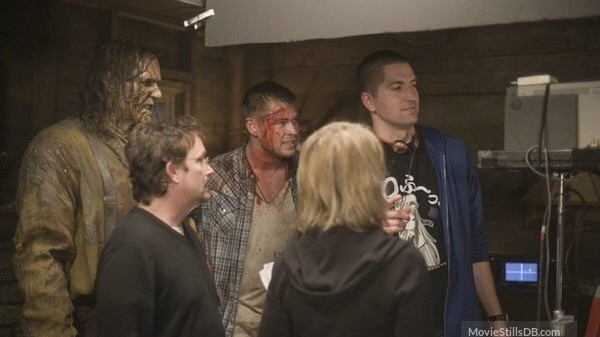
Principal photography on Cabin in the Woods began on March 9, 2009, in Vancouver and wrapped in May of the same year. It was a compact, focused shoot built on a script that had come together with remarkable speed. Joss Whedon and Drew Goddard wrote the screenplay in just three days — a burst of creative shorthand between two collaborators who had already spent years shaping stories together on Buffy the Vampire Slayer and Angel. For Goddard, this film marked his directorial debut, though the tone and structure already carried the fingerprints of someone who understood genre from the inside.

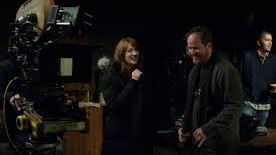
Whedon described the project as a “loving hate letter” to horror — a film that wanted to celebrate the genre’s pleasures while interrogating its worst habits. He spoke openly about the tension he and Goddard were trying to capture: the thrill of fear, the catharsis of darkness, the strange duality of rooting for characters to survive while knowing the story demands they face something terrible. At the same time, both writers were reacting against what they saw as the genre’s drift into cruelty for its own sake. They wanted to pull the pendulum back toward intelligence, wit, and intention.
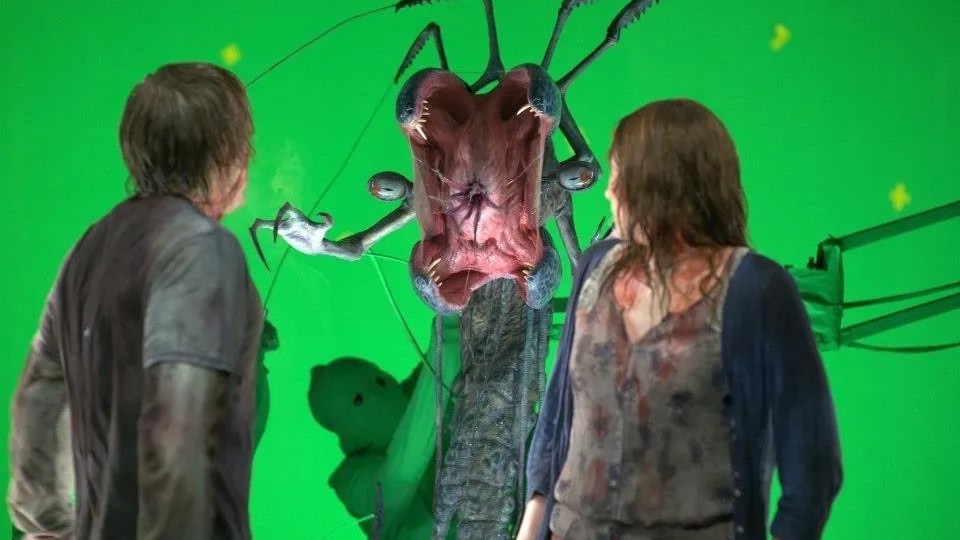
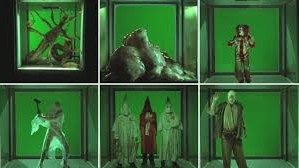
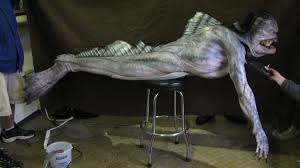
Behind the camera, the production was ambitious. The sheer number of creatures required for the film pushed the effects team to its limits. AFX Studio’s David LeRoy Anderson estimated that close to a thousand people were transformed into one of roughly sixty monster types. The workload was so intense that the team had to rent a larger facility and begin work weeks before the official start date. At peak, nearly seventy artists were working simultaneously — though, as Anderson noted, it felt like twice that number, because everyone was juggling multiple roles. It was chaotic, exhausting, and, by all accounts, unforgettable.
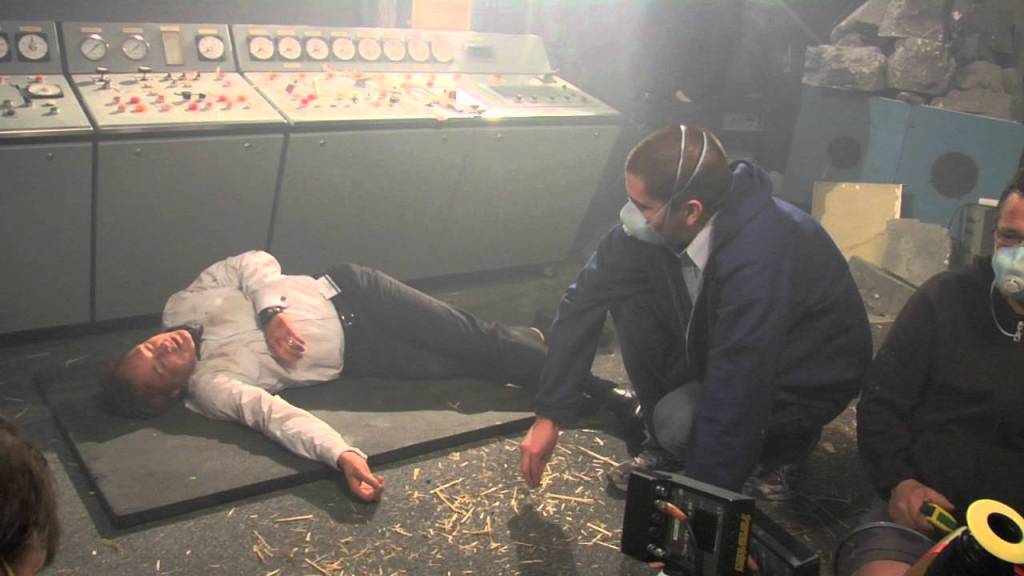
The sets were a blend of practical construction and clever location use. The underground complex, the elevators, and the control room were all built specifically for the film, giving the actors a physical environment to inhabit rather than relying solely on digital effects. For wider shots, the production used the British Columbia Institute of Technology’s Aerospace building — a space with the clean, industrial geometry that production designer Martin Whist wanted. He cited Stanley Kubrick as an influence, aiming for environments that felt sharp, utilitarian, and almost characterless. The elevators, in particular, were designed to look like freight lifts stripped of controls, as if the Facility itself was the only thing deciding where anyone was allowed to go.


