



Written by The Curator
Based on an idea by Juliet Landau & Christos Gage
Artwork and Covers by Steve Morris
“I’m the leftover echo. The giggle that didn’t want to die.”
Drusilla

I followed the static.
Not maps. Not logic. Just the flicker.
Tape distortions, skipped frames. Her voice, tangled in foreign radio waves and badly dubbed docu-series reruns. The kind they play late at night – interviewers asking about curses, footage too grainy to believe.
São Paulo welcomed me with heat. The kind that sticks to you. Makes your memory sweat. I hadn’t slept properly in six days.
The Crimson Ghost was here.
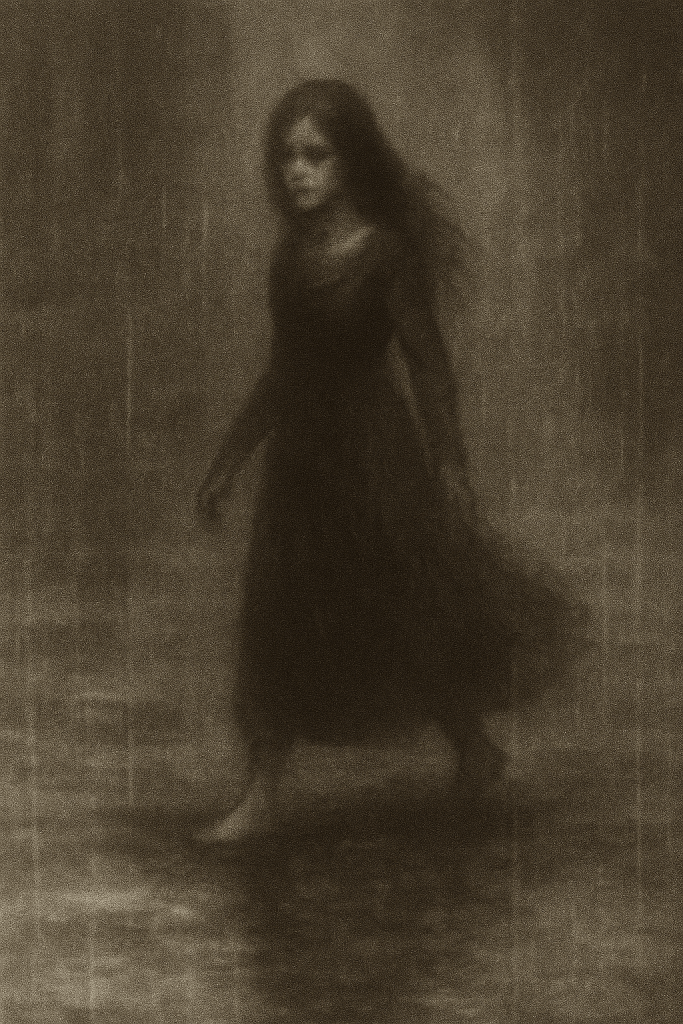
I tracked her through whispers.
Graffiti tags. Eyewitness blogs. Underground zines. One article quoted a blind woman who claimed she’d felt red velvet brushing her knuckles outside an art gallery called The Spiral Rain.
I went there immediately.
It used to be a funeral home. Now it displays broken installations by late-night artists and local visionaries. Walls shimmer with cracked glass and wet acrylic. There’s a fountain in the centre that doesn’t work, but occasionally leaks green when it rains.
That’s where she stood.
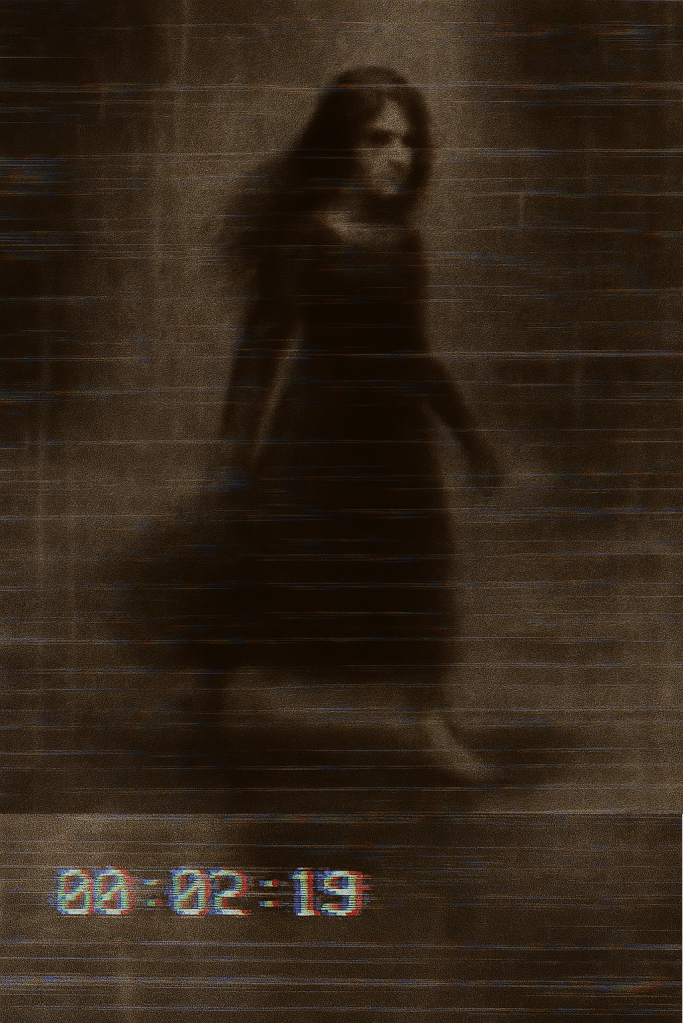
Barefoot, again.
Her dress dragged like ritual. Red fabric touched with soot and gold thread. She turned, once, mid-lighting glitch – caught in a projector’s beam like a revenant trying to remember its own name.
I filmed her from behind a column. My fingers shook.
She was talking to statues.
Not conversing – correcting them. Pointing at a weeping angel installation.
“You’re lying,” she murmured. “You didn’t weep. You giggled. When the thunder peeled the sky like fruit.”
No one else heard her. Or pretended not to.
She walked slowly through the gallery, dripping something. Not blood. Paint.
Crimson, viscous, uncontained.
She paused beside a mirror installation. It was warped, distorted – a dozen shattered reflections. And she didn’t reflect at all.
She looked at each shard like they were different people. Then she touched the mirror’s edge and whispered:
“Where’s Daddy? Did he fall into me? Am I the whole meal now?”
The lights flickered.
Then she laughed.
Harder than before.
Harder than Prague.
She was unravelling.
Spike was gone. I could feel it in her posture. No protection. No pulse. She staggered like theatre missing its cue.
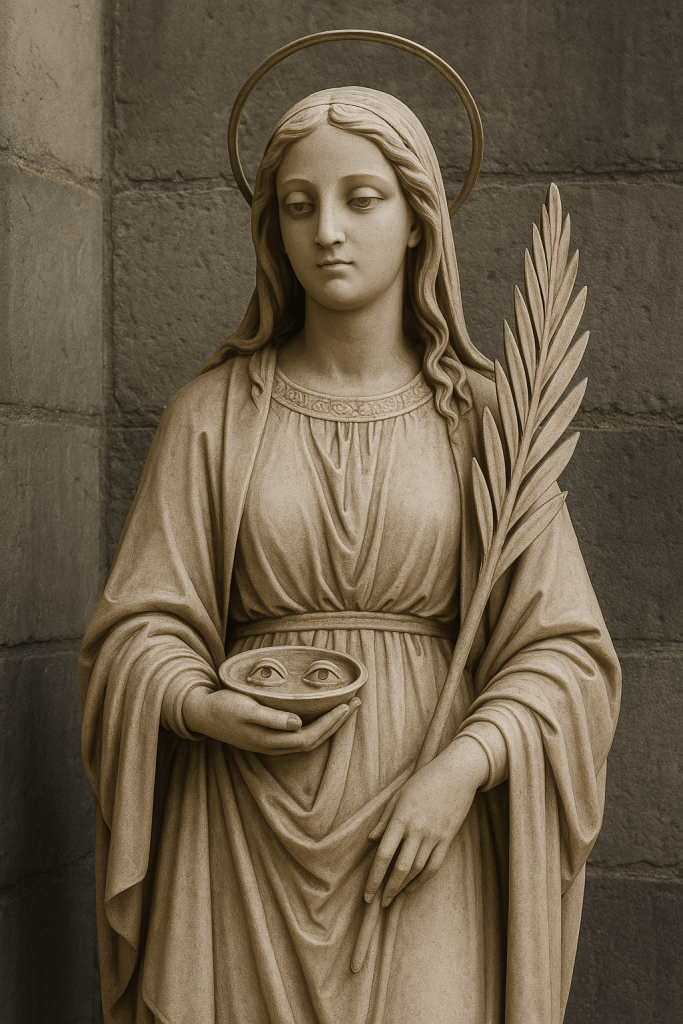
She kissed a statue of Saint Lucy on the eyelid. Then bit the shoulder. No blood. Just the sound of teeth on porcelain.
Later, I saw her feed.
A man with missing shoes and a camera bag. She cradled him like a lover, murmured something about “rain in the lungs,” and pressed her lips to his neck until he went quiet.
I didn’t film.
Again – I couldn’t.
It was beautiful, wrong, and eternal.
I started sleeping inside the gallery. No one stopped me.
I drank. Wrote in my notebook. Spoke to her when she passed, though she rarely replied.
I called her Crimson again, but she laughed at that.
“Call me Moon’s miscarriage,” she said once. “I’m the leftover echo. The giggle that didn’t want to die.”
I asked about Spike.
She paused, twirled.
“Gone to fetch the curtain,” she said. “He wants the finale to be velvet.”
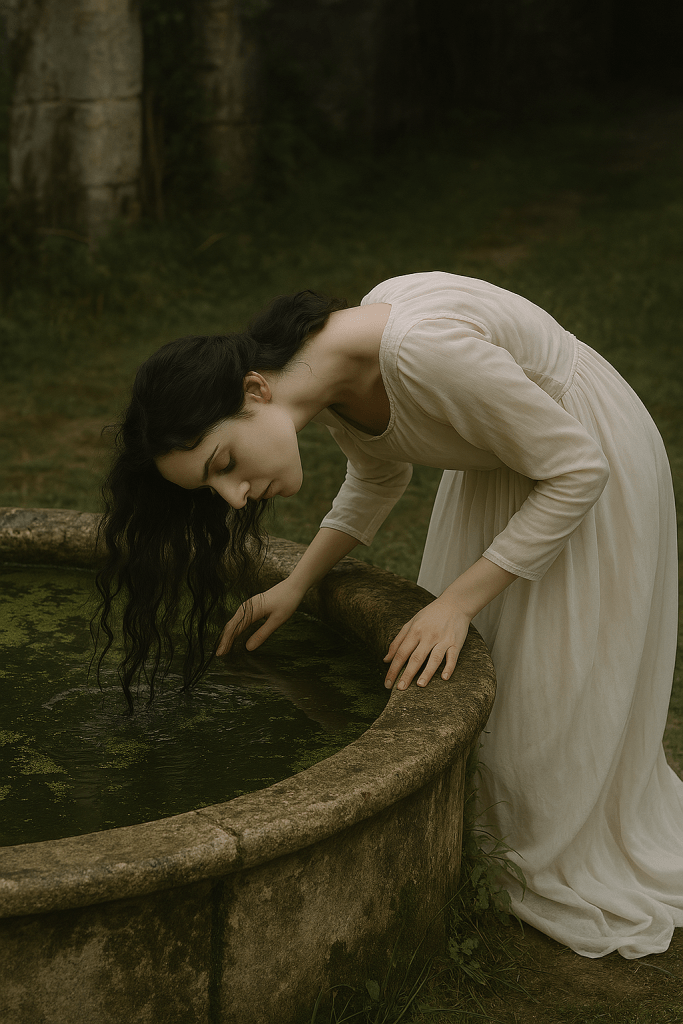
Then she danced toward the leaking fountain and dipped her hair in the green water.
A painter claimed she visited him at dawn, painted spirals in blood across his ceiling, whispered about the Mobius kiss of eternity.
He died two days later – no mark, no cause.
But his windows were open. And the curtains were torn.
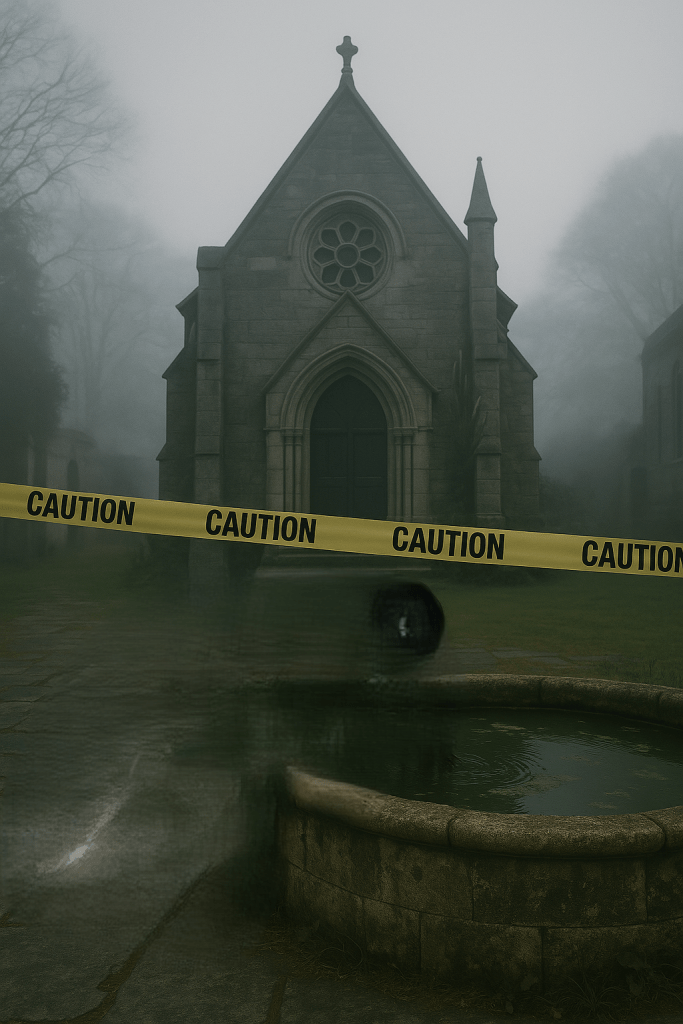
Her final act came at the Church of Spiral Saints.
She painted across the altar with her own blood.
A shape. Maybe a face. Maybe a map. Maybe memory.
Then she vanished.
Into rain.
No show. No curtain call.
Just emptiness.
And wet stone.
I left São Paulo a week later. My tapes corrupted in customs. Only fragments remain – static-laced sketches and murmurs caught between storms.
She was there.
She was real.
She was tragedy rewound.


 The Watcher's Guide